Building Exterior Pressure Washing in Renton: How Often Should Commercial Properties Be Cleaned?
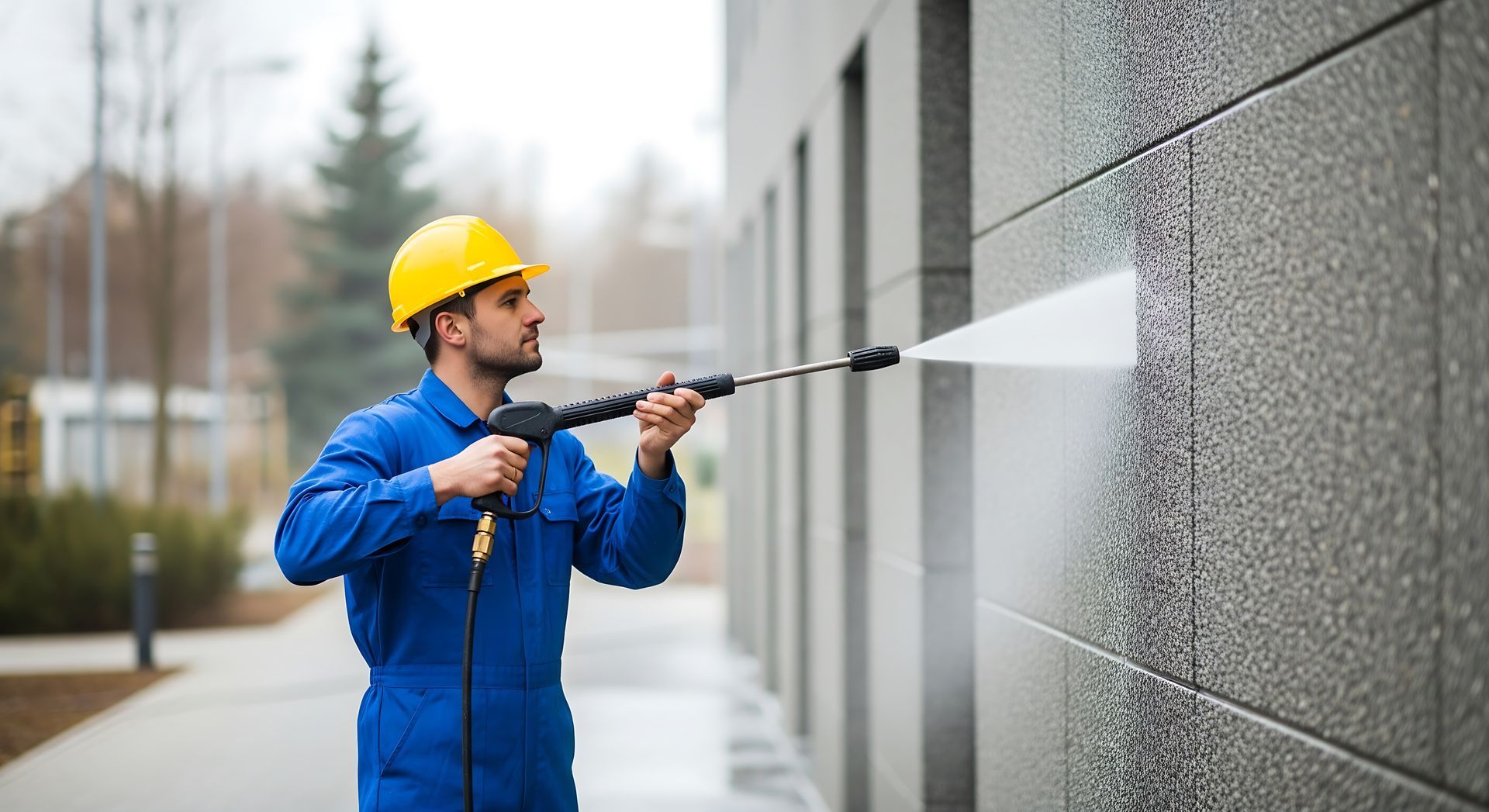
How often commercial properties in Renton, WA, need building exterior pressure washing directly affects property value, surface lifespan, and tenant appeal. Renton's wet Pacific Northwest climate accelerates organic growth on building exteriors far faster than in drier regions. This guide covers recommended cleaning frequency by material type, explains how local weather drives the maintenance calendar, and outlines warning signs that a building is overdue for service.
Why Renton's Climate Makes Cleaning Frequency a Priority
Renton receives roughly 44 inches of rain per year, with precipitation falling on an average of 161 days annually. That near-constant moisture keeps exterior surfaces damp for months, especially from October through May, when moss, algae, and mildew colonize surfaces most aggressively. Properties near the Highlands, the Cedar River corridor, and Fairwood sit under heavy tree canopy that adds shade and debris, compounding the problem.
Organic growth is not just cosmetic. Moss and algae trap moisture against surfaces, accelerating deterioration in siding, concrete, brick, and stucco. Shaded north-facing walls and low-slope entryways are especially vulnerable because they dry slowly between rain events. A planned washing schedule is almost always less costly than reactive repairs.
Recommended Cleaning Frequency by Building Material Type
Most commercial buildings benefit from at least one professional building exterior pressure washing per year, though the ideal interval depends on surface material and exposure to shade and traffic.
Concrete, Brick, and Masonry
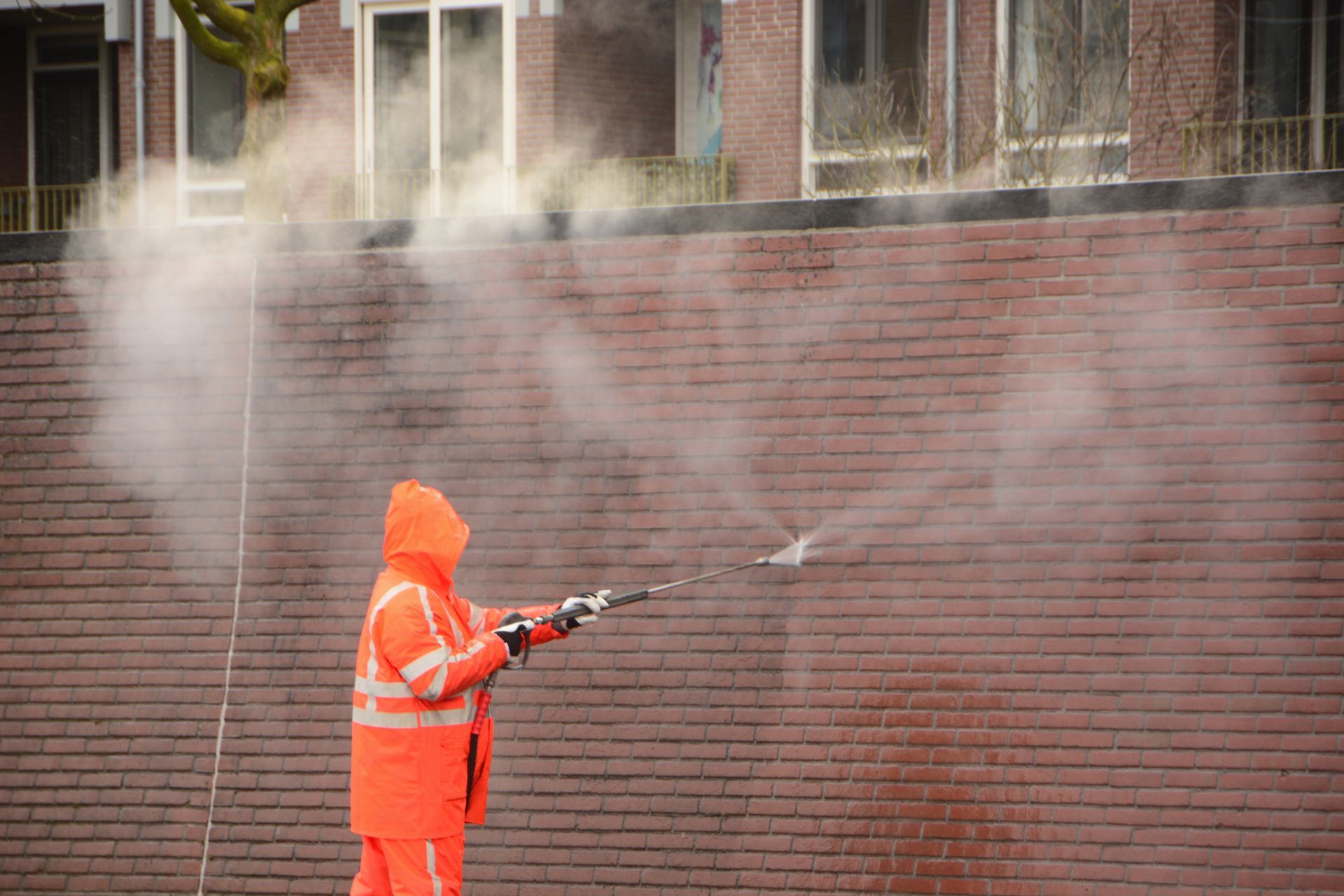
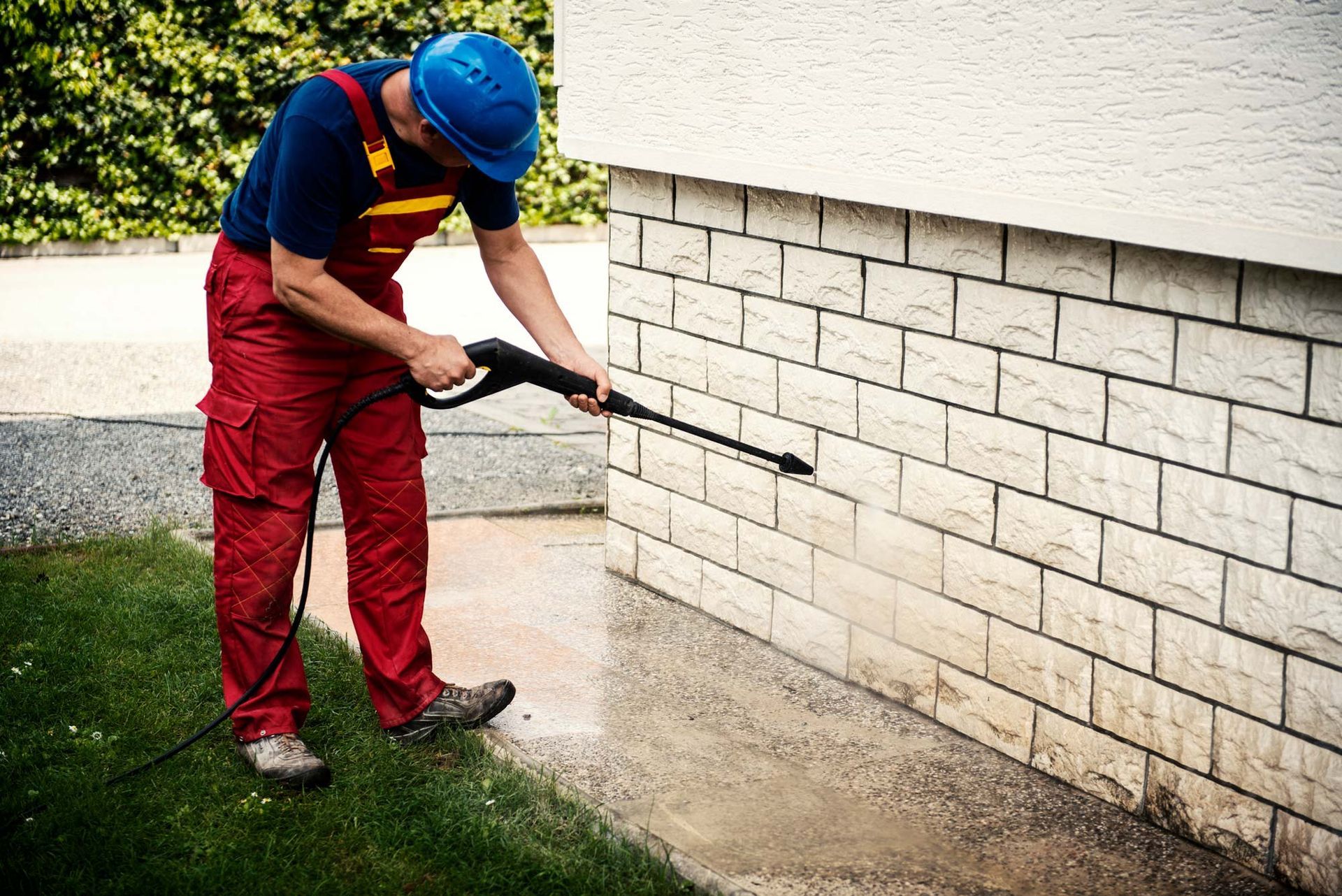
Porous surfaces trap grime, mineral deposits, and biological growth quickly in a wet climate. For high-traffic commercial facades in Renton, a cleaning cycle of every 12 to 18 months is appropriate. Properties near South Renton or along Rainier Avenue, where vehicle exhaust and road runoff are factors, may benefit from more frequent attention.
Vinyl and Fiber Cement Siding
These materials develop a thin film of algae and mildew within a single wet season. Annual washing is typically sufficient to keep surfaces clean and prevent staining from becoming permanent.
Stucco and EIFS
Stucco and synthetic finishes retain moisture and can develop deep algae staining that is harder to remove the longer it sits. Commercial buildings with these materials may need building exterior pressure washing every 12 months or after any exceptionally wet winter.
Metal Panels and Composite Cladding
Metal surfaces resist organic growth better than porous materials but accumulate grime, rust streaks, and pollution deposits over time. A wash every 18 to 24 months is a reasonable baseline, adjusted for proximity to industrial areas near Renton Municipal Airport or the Boeing corridor.
Commercial vs. Residential Maintenance Schedules
Commercial properties require more frequent attention than residential buildings. Higher foot traffic, loading docks, parking structures, and signage overhangs create zones where grime, oil, and organic matter accumulate faster. A retail storefront on Grady Way or a medical office in Talbot Hill carries a different cleanliness standard than a private home, and a dirty facade can signal neglect even when the interior is well maintained.
Residential properties may manage with a cleaning every one to two years. Commercial properties with high public visibility are better served by annual contracts that include a primary wash and a mid-year inspection. Slick moss and algae buildup on exterior walkways and parking garages also raises liability exposure, giving building exterior pressure washing a risk-management role alongside its cosmetic one.
Signs Your Commercial Building Is Already Overdue
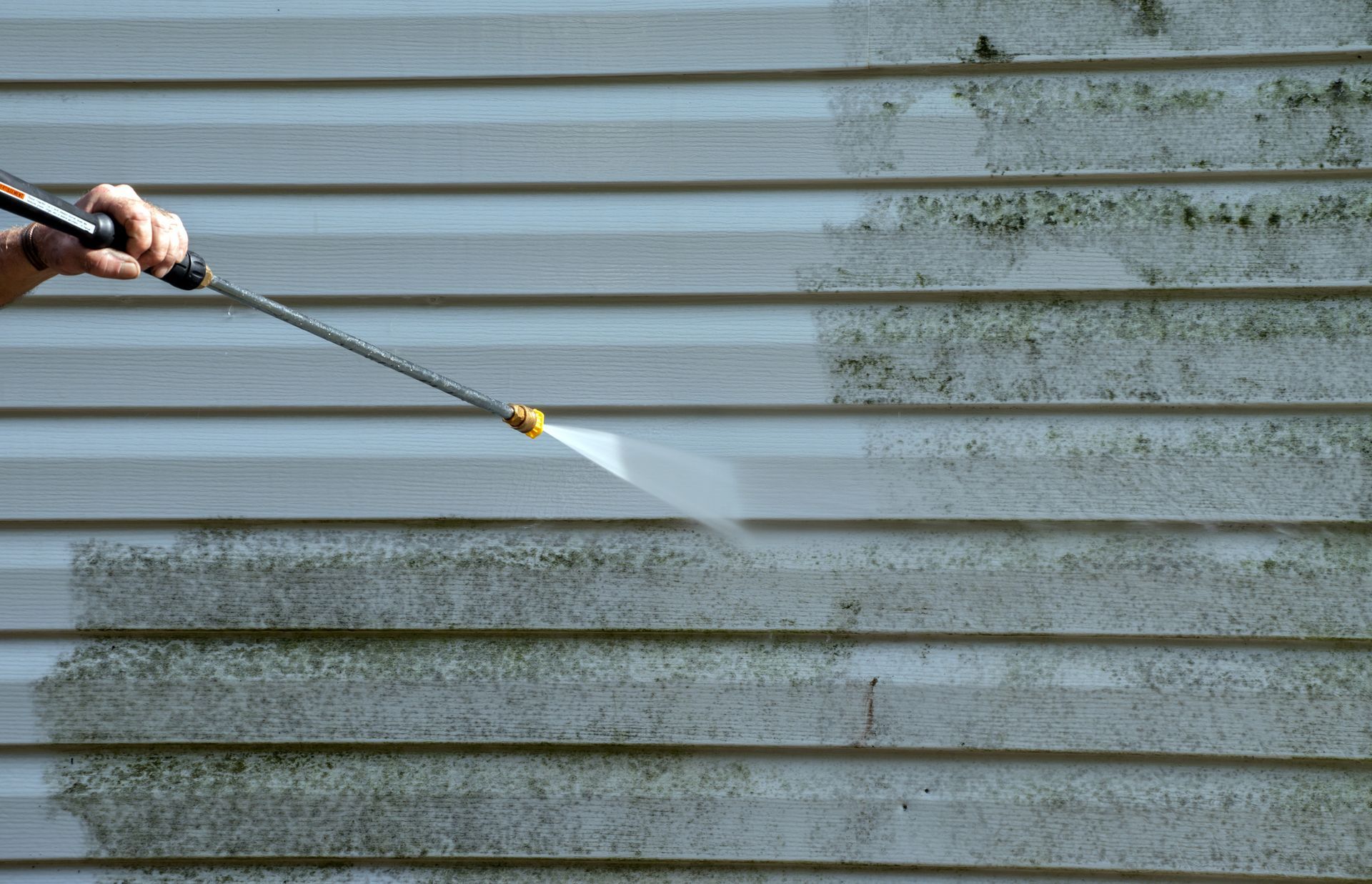
Predictable warning signs include dark streaking on siding, green or black patches on concrete or masonry, white mineral deposits around windows and gutters, and a general dullness to the facade. In Renton's climate, visible biological growth can appear within a single season if a previous treatment has worn off.
Overflowing gutters and streaked downspouts suggest the exterior cleaning is more than one season overdue. The cost of repairing siding or masonry from prolonged organic growth routinely exceeds the cost of preventive maintenance, and early treatment keeps jobs manageable while protecting surface warranties and appraised value.
Frequently Asked Questions
How Often Should a Commercial Building in Renton Be Pressure Washed?
Most Renton commercial buildings need professional building exterior pressure washing at least once per year, with shaded or high-traffic properties requiring every six to twelve months.
Does Renton's Rainy Season Affect When I Should Schedule a Wash?
Yes. Late summer through early fall is the best window, when surfaces are driest and treatments can cure before October rains return.
Is DIY Pressure Washing Good Enough for Commercial Properties?
No. Consumer-grade equipment lacks the reach, flow rate, and EPA-approved solutions needed for multi-story facades, and can void surface warranties.
What Happens If I Skip Annual Cleaning?
Moss and algae penetrate surfaces, causing permanent staining, accelerated deterioration, and slip hazards. One skipped season means a substantially harder cleaning job.
Schedule Your Commercial Exterior Cleaning Before the Fall Rains Return
The late summer window before October's rain is the ideal time to get a commercial building cleaned, treated, and ready for another wet season. Alpine Gentle Roof Cleaning serves commercial and residential properties across Renton, WA, and the greater King County area, including South Snohomish and Northern Pierce counties, offering building exterior pressure washing alongside roof cleaning, gutter maintenance, and moss treatment under one provider.
To explore the full range of services, visit the exterior cleaning services page. Ready to schedule or get a quote? Contact the team today or call (425) 271-8426 to discuss a maintenance plan that fits your property's needs.